MEP Engineering & Design
Plumbing & Process Piping
Domestic water, sanitary, gas, and process piping coordinated with the building and the equipment it serves.
Overview
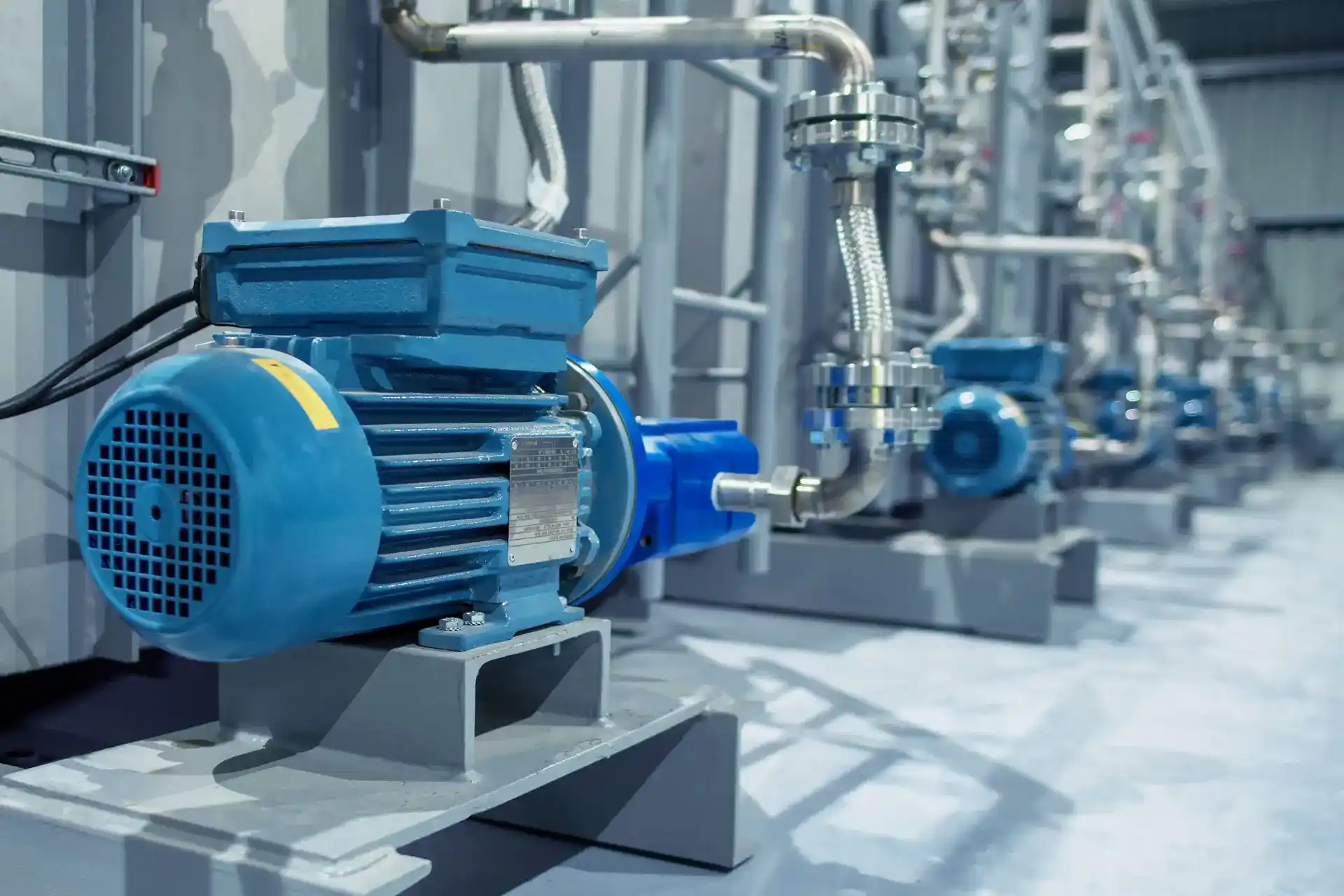
Plumbing design needs to connect everyday building use with equipment and production requirements. TPS designs domestic water and sanitary systems, hot-water recirculation, natural gas and propane piping, specialty and process piping, and compressed air. We coordinate the routing, connection requirements, and utility interfaces with the mechanical, electrical, architectural, and structural design.
What's included
Scope of work
Domestic water and sanitary system design
Hot-water distribution and recirculation
Natural gas and propane piping
Specialty and process piping
Compressed-air distribution
Equipment connection and routing coordination
Methodology
How the engagement runs
We agree on inputs, responsibilities, and deliverables before the work begins, then keep the design decisions connected through each stage.
Plumbing & Process Piping: how the engagement runs
- 1Confirm demands and available utilitiesGather fixtures, equipment connections, production requirements, and information about existing water, sanitary, gas, and process utilities.
- 2Develop the piping designDefine system layouts, sizing, equipment connections, and routing based on the project requirements and the code basis agreed for the jurisdiction.
- 3Coordinate the building interfacesReview routes, penetrations, equipment access, and mechanical and electrical interfaces in the coordinated design.
- 4Issue drawings and support the workPrepare plumbing and piping plans, schedules, and specifications. Review submittals and respond to construction questions within the agreed assignment.
Engineering scope
Project-specific
Disciplines, deliverables, licensing, and sealing requirements confirmed for your project before work begins.
Response
1 day
We respond to every inquiry within one business day to discuss scope, next steps, and the information needed for a proposal.
Veteran-owned
VOSB / SDVOSB
SAM.gov registered. UEI H6HAZKAD4LJ7 · CAGE 08E02. Set-aside eligible.
When you need it
Triggers
- →New construction or a tenant fit-out
- →New process equipment needs utility connections
- →An industrial facility adds compressed air or process piping
- →Building modernization changes water, sanitary, or gas demand
What you receive
Deliverables
- Plumbing and process piping layouts
- Sizing calculations and equipment connection schedules
- Coordinated details and specifications
- Construction-phase responses where scoped
FAQ
Common questions
Does TPS design process piping as well as building plumbing?+
Yes. Alongside domestic water, sanitary, and hot-water recirculation, TPS’s capability includes specialty and process piping, natural gas and propane piping, and compressed air. We define the system boundaries and required process inputs in the proposal.
What should an owner provide for a process piping proposal?+
Send the project location, equipment list, utility connection requirements, available plans, and the intended operating conditions. Include any production shutdown constraints and identify who will provide the process equipment data.
Which plumbing code will the design use?+
The applicable code depends on the project jurisdiction and its adopted requirements. We establish that basis for the project rather than assuming every state uses the same model code.
Continue exploring
Related services
Also worth a look
Let’s define the right scope for your project.
Share your project location, current plans, and target schedule. We’ll follow up to confirm the scope and information needed for a proposal.