
Industrial mechanical systems
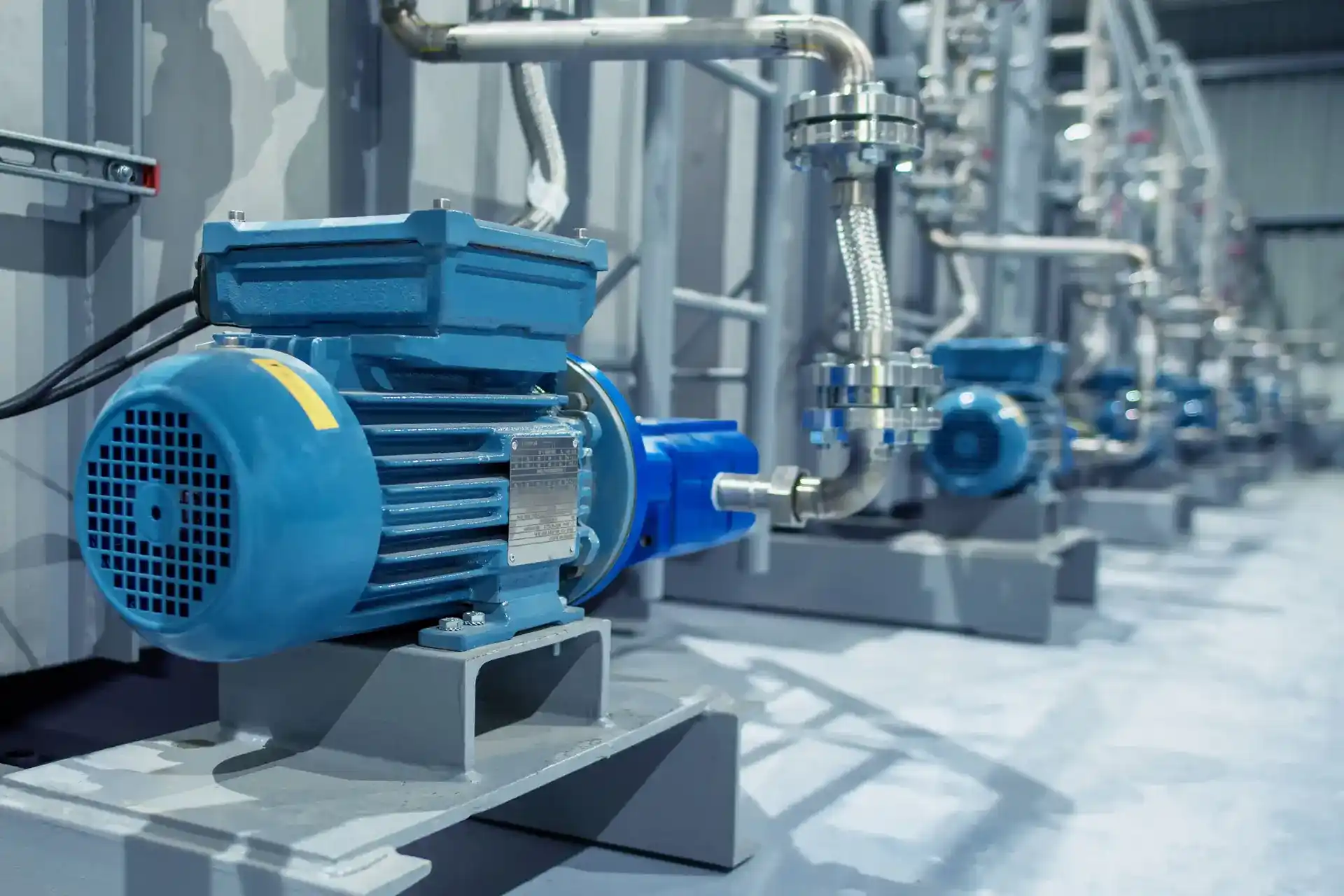
Design HVAC, industrial ventilation, dust collection, and the chilled-water, boiler, or steam infrastructure included in the project. Equipment and process requirements establish the design basis.
Market
Industrial HVAC, ventilation, process utilities, piping, and electrical design coordinated with power-system studies for manufacturing facilities.
Overview
A production change can affect ventilation, cooling, compressed air, piping, and electrical demand at the same time. TPS brings those systems into one engineering scope for manufacturing, food processing, and facility modernization. We start with equipment requirements and operating constraints, then coordinate the utility infrastructure and the electrical analysis needed to support the proposed work.
Building systems
Design HVAC, industrial ventilation, dust collection, and the chilled-water, boiler, or steam infrastructure included in the project. Equipment and process requirements establish the design basis.
Coordinate compressed air, gas, and process piping with equipment connection data and the building layout. Define the boundary between process equipment supplied by others and the utilities TPS will design.
Connect new equipment loads to distribution design and assess the need for load-flow, short-circuit, coordination, harmonic, and arc-flash studies.
Scope the assignment
We confirm disciplines, licensing, sealing, and deliverables for the project location before agreeing to the scope.
What makes this market different
Worker injuries from arc flash are documented and citable. NFPA 70E-compliant studies, labeling, and PPE programs protect the workforce and stand up to investigation.
Process drives create distortion that overheats transformers and trips capacitor banks. We measure, model, and mitigate to IEEE 519 compliance.
Equipment installed decades ago may not be rated for today’s fault currents after utility upgrades. Short-circuit studies expose underrated gear before it fails catastrophically.
New process lines, larger motors, or DCFC additions need verified capacity. Load-flow analysis answers it cleanly.
Where to start
HVAC loads, ventilation, equipment selection, and industrial process utilities.
Water, sanitary, gas, compressed air, and process piping systems.
NFPA 70E-compliant studies with IEEE 1584-2018 calculations.
Fault current analysis and equipment rating verification.
Power quality studies for facilities with VFDs and non-linear loads.
Time-current curve analysis for protective device sequencing.
Representative work
Ohio
Generator interconnection study and protective relaying.
Ohio
Industrial electrical engineering support.
Why TPS
Mechanical and process utility design coordinated with equipment needs
Power studies connected to electrical distribution and operating modes
Revit/BIM coordination for routing and equipment interfaces
Defined deliverables, discipline responsibilities, and construction support
Share your project location, available plans, and target schedule. We’ll follow up within one business day to discuss the scope and proposal inputs.